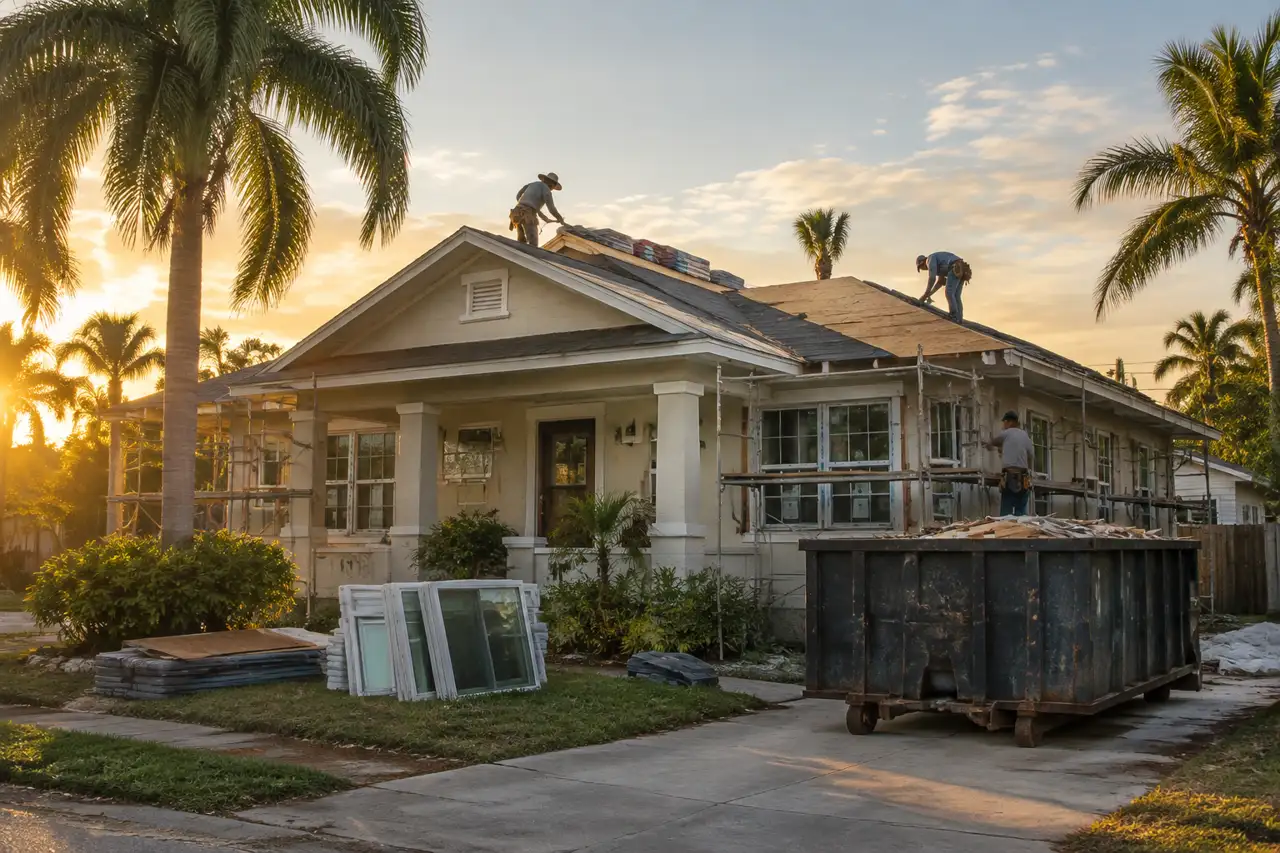
Tampa Investment Property Financing
Hard Money Loans in Tampa for Your Next Investment
Share your property, renovation budget, and timeline to explore financing options.
Financing Built Around the Property and the Plan
An investment property can make sense on paper and still be difficult to finance through a conventional mortgage. It may need substantial repairs, have a short purchase deadline, or require work before it can attract a tenant or retail buyer. Hard money financing offers a different approach: short-term funding evaluated around the real estate, the proposed project, and a credible way to repay the loan.
Hard Money Loans Florida helps investors explore Hard Money Loans in Tampa through Asheya Dixon with NEXA Mortgage, a mortgage broker. We help you present the transaction, compare available structures, and understand lender conditions before you commit. We arrange financing rather than promise a particular lender decision. Approval depends on the property, borrower, documentation, and applicable program requirements.
For a Tampa fix-and-flip, the conversation usually starts with the purchase contract, property condition, comparable sales, and scope of work. For an investor purchasing a rental that needs repairs, it also includes the projected rent and the eventual refinance plan. A bridge request may focus on a timing gap between acquiring a property and selling another asset. Each situation needs a financing structure that fits the actual business plan.
Your cash contribution matters as much as the requested loan amount. Closing costs, lender fees, insurance, taxes, utilities, interest, and repair contingencies can affect the money needed beyond the down payment. If renovation funds are reimbursed through draws, you may also need cash available to start work. Understanding those obligations early helps prevent a promising acquisition from becoming a cash-flow problem.
We work with investors who want a practical discussion before they move forward. Bring the address, asking price or contract price, estimated repairs, and intended exit. If you are still evaluating the deal, identify what is known and what needs verification. We can help organize the financing questions so you can assess the opportunity with clearer expectations about costs, documentation, timing, and risk.
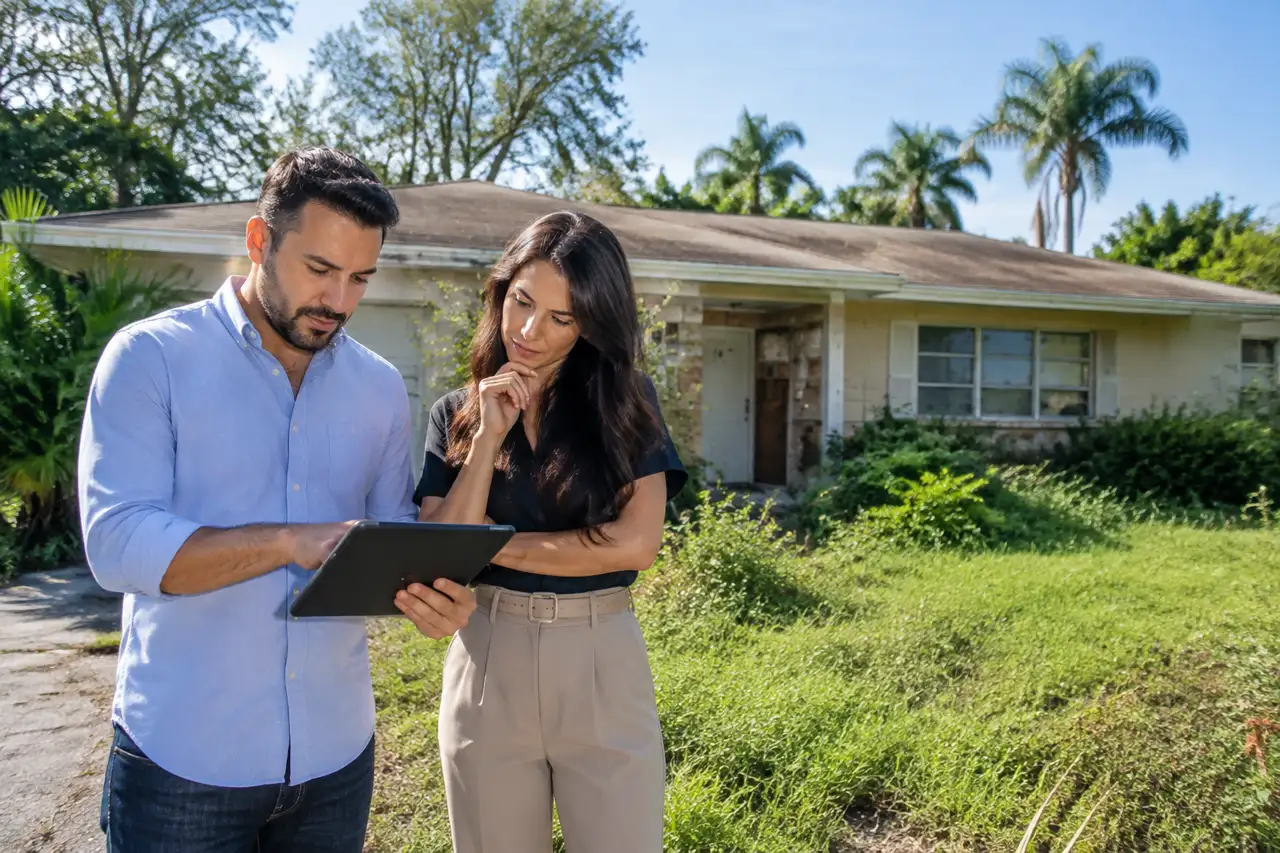
Loan Programs
Hard money loan programs
Explore Fix and Flip Loans, Bridge Loans, Hard Money Cash-Out Refinance, Rehab-to-Rental (BRRRR) Loans, and Hard Money Loans for LLCs. Our Hard Money Loan Requirements guidance explains the information lenders may request. We help match the financing conversation to your purchase, rehabilitation, or transition plan, subject to lender review, program availability, and property eligibility.
Fix and Flip Loans
Explore purchase and renovation financing for Tampa investment properties, with practical guidance on repair budgets, lender requirements, draw schedules, and a realistic resale exit strategy.
Learn moreBridge Loans
Explore short-term financing for eligible Tampa investment properties while preparing a sale, refinance, or stabilization plan, with clear attention to costs, timing, and repayment requirements.
Learn moreHard Money Cash-Out Refinance
Explore ways to access equity in an eligible Tampa investment property, with a clear review of existing debt, net proceeds, business purpose, and repayment strategy.
Learn moreRehab-to-Rental (BRRRR) Loans
Explore short-term financing for buying and renovating a Tampa rental, with practical attention to construction draws, cash reserves, leasing plans, and a separate refinance exit.
Learn moreHard Money Loans for LLCs
Explore business-purpose property financing for an LLC, including ownership records, signing authority, personal guarantees, cash requirements, and closing coordination for Tampa investors and Florida projects.
Learn moreHard Money Loan Requirements
Understand the property records, borrower information, project budget, available cash, and repayment plan lenders may request before evaluating a Tampa hard money loan application in Florida.
Learn moreA Tampa Financing Conversation With a Named Broker
Hard Money Loans Florida connects property investors with financing guidance from Asheya Dixon at NEXA Mortgage. As a mortgage broker, our role is to help investors explore available lending options, organize a complete request, and understand the conditions attached to a potential offer. The lender makes the credit decision and sets the final terms.
We start by asking what you are buying, why the property needs short-term financing, and how you expect to repay it. Those answers guide the discussion more usefully than a headline loan amount alone. A cosmetic renovation, a major rehabilitation, and a bridge between transactions create different funding needs and different risks.
Local context also matters. A Tampa property with older electrical systems, an unpermitted addition, or insurance complications may require more investigation than the listing suggests. We encourage investors to confirm contractor availability, permitting requirements, and realistic comparable sales rather than build a budget around optimistic assumptions.
Our goal is a clear financing process, not a promise that every property will qualify. We explain what information is needed, identify questions that require a lender response, and help you compare the proposed structure with your project timeline. That includes discussing cash to close, renovation funding, and the proposed payoff.
To discuss a potential investment, call (941) 688-3969 or email adixon@nexalending.com. Our business hours are Monday through Friday, 9 a.m. to 6 p.m. Eastern. Have the property address and a basic project summary ready so the conversation can focus on your next decision.
Why investors work with us
A property-first discussion
Start with the address, condition, purchase price, and proposed improvements. We help organize the facts a lender needs to evaluate the request, while keeping your cash contribution, experience, and repayment plan in the conversation from the beginning.
Clear broker guidance
Work with Asheya Dixon at NEXA Mortgage to explore financing options rather than assume a single structure fits every deal. We explain our broker role and help you understand which decisions, conditions, and approvals belong to the lender.
Attention to total project cash
The purchase price is only part of your funding requirement. We encourage a budget that includes closing expenses, carrying costs, repair reserves, and possible draw delays, helping you assess whether the proposed financing leaves enough liquidity to execute.
Exit planning before closing
A profitable-looking renovation is not a complete repayment plan. We discuss the intended sale or refinance early, including timing assumptions and alternatives, so you can identify gaps before taking on a short-term obligation secured by the property.
Practical Tampa context
Neighborhood comparables, permitting questions, older housing stock, and insurance concerns can affect a Tampa investment. We bring those issues into the financing discussion and encourage independent verification instead of treating every property in the market as interchangeable.
How Hard Money Works for a Tampa Investment
Hard money is generally short-term, real-estate-secured financing used for a defined investment purpose. Instead of relying only on the standards associated with a conventional home mortgage, lenders evaluate the collateral alongside the borrower's finances, experience, and repayment strategy. These loans commonly support investment acquisitions and renovations; they should not be treated as interchangeable with financing for a primary residence.
A typical request begins with a property address, purchase agreement, estimated value, renovation scope, and explanation of the exit. The lender may request entity documents, bank statements, credit authorization, insurance information, and evidence of relevant experience. A valuation and title review help establish whether the proposed collateral and transaction meet program guidelines.
If the request progresses, review the written terms carefully. Distinguish money available for the purchase from funds reserved for repairs. Ask how interest is calculated, which fees apply, whether payments begin immediately, and what must happen before closing. A preliminary quote is not the same as final approval or a commitment to fund.
The financing should support a specific project rather than compensate for an unclear plan. Before signing, understand when the balance becomes due and what resources will repay it. We help Tampa investors organize these questions and compare the proposed loan structure with the practical demands of acquiring, improving, and exiting the property.

Asset-Based Underwriting Still Includes the Borrower
Asset-based lending puts significant emphasis on the property's value and marketability, but it does not mean the borrower is irrelevant. Lenders may review credit history, available cash, renovation experience, existing obligations, and the ability to manage the project. Requirements vary, and a strong property does not automatically overcome every issue in an application.
The collateral review considers more than an online value estimate. A lender may examine recent comparable sales, current condition, access, occupancy, zoning, title, and the proposed work. Properties with structural damage, unusual layouts, unresolved liens, or limited comparable sales can require additional documentation or may fall outside a lender's guidelines.
For an LLC purchase, expect questions about ownership, signing authority, and the people responsible for the loan. Financing through an entity does not necessarily eliminate personal guarantees. Confirm the proposed borrower and vesting early so that contract, insurance, title, and lender documents can be prepared consistently.
A useful submission explains both strengths and unresolved issues. Include a realistic scope, contractor information if available, proof of funds, and a concise project history. If this is your first renovation, say so and describe the qualified professionals involved. Complete, accurate information helps a lender assess the actual risk and reduces avoidable requests for clarification. We help organize that submission without promising that asset value alone will secure approval.

Build a Defensible ARV Estimate and Rehab Budget
After-repair value, or ARV, estimates what a property could sell for once the planned improvements are complete. It is a projection, not a guaranteed sale price. For a Tampa renovation, start with relevant closed sales and compare location, size, layout, condition, and finish quality. A nearby sale can still be a poor match if it serves a different buyer or has materially different features.
The renovation budget should explain how the property reaches that projected condition. Separate major systems, structural work, roofing, interior finishes, exterior improvements, and other material tasks. Identify labor, materials, permits, and cleanup rather than relying on a single unexplained total. Contractor estimates should align with the actual scope being presented to the lender.
Older homes may reveal additional work after demolition. Set aside contingency cash and consider how hidden damage, material changes, or permit revisions would affect both costs and timing. The lender's accepted budget may not cover every expense you expect to incur, so confirm which items qualify for renovation funding.
Finally, test the deal using a lower sale price and a longer holding period. Include selling expenses and financing costs when estimating profit. We help investors prepare the financing request around a supportable valuation and scope, while encouraging independent advice from qualified contractors, valuation professionals, and other local specialists where needed.
Understand Renovation Draws Before Work Begins
Renovation funding is often held back and released through draws as eligible work is completed. The process varies by lender. Some structures reimburse completed improvements after inspection, which means the borrower must initially pay contractors or suppliers from available cash. Do not assume the entire renovation allocation will be accessible at closing.
Before committing, ask for the draw procedure in writing. Clarify inspection requirements, submission documents, fees, minimum requests if applicable, and the expected review process. Ask whether invoices, photographs, lien waivers, or proof of payment are required. Understand who authorizes each release and whether any funds remain withheld until final completion.
Build the construction schedule around those requirements. If your contractor expects payment before a lender releases the next draw, you need enough liquidity to bridge that gap. Weather, inspection scheduling, incomplete paperwork, and disputed work can slow the process. A budget that works only with immediate reimbursement leaves little room for routine delays.
Changes also need attention. If you discover additional repairs or decide to upgrade finishes, ask whether the revised scope requires approval and whether additional funding is available. Never assume a larger budget automatically increases the loan. We help you identify these questions before closing so the funding mechanics are part of the renovation plan, not a surprise after the project starts.
Evaluate Tampa Neighborhoods Property by Property
Tampa neighborhoods offer different renovation opportunities, buyer expectations, and execution challenges. Seminole Heights may draw interest for older homes with distinctive character, but preserving that character can complicate repair planning. In Sulphur Springs, investors should pay close attention to block-level comparable sales, property condition, and the finished product that local buyers or renters actually support.
Ybor properties may raise questions about historic designations, permitted uses, or renovation approvals. West Tampa projects can require careful comparison between updated homes, properties needing major work, and new construction. Confirm any applicable restrictions with the appropriate local authorities rather than assuming the same rules apply throughout a neighborhood.
In Town 'n' Country, compare layout, construction type, lot characteristics, and access to relevant amenities. Across Tampa, investigate flood exposure, insurance availability, roof condition, and prior work that may lack permits. These items can affect acquisition costs, lender eligibility, renovation timing, and the eventual buyer's financing options.
A neighborhood name is a starting point, not an investment thesis. Visit the property, inspect the immediate surroundings, and use comparables that reflect the specific location and intended finish level. We help frame the financing discussion around that property-level evidence. You remain responsible for due diligence, supported as appropriate by a licensed inspector, contractor, real estate professional, insurance agent, or attorney.
Choose an Exit Strategy Before You Borrow
A hard money loan needs a clear payoff plan because the balance comes due under a short-term agreement. For a fix-and-flip, the primary exit is usually a sale after renovation. Your analysis should account for repair completion, listing preparation, marketing, buyer financing, and closing rather than ending when construction stops.
For a rental strategy, the intended exit may be a longer-term refinance after repairs and leasing. That future financing is a separate transaction with its own underwriting requirements. Property value, rental income, borrower qualifications, seasoning rules, and market conditions can affect whether it is available. An anticipated refinance is not a guaranteed source of repayment.
Consider what happens if your first plan takes longer than expected. Could you reduce the asking price and still repay the balance? Do you have liquidity for additional carrying costs? Would renting the property be practical, legal, and compatible with the financing? Evaluate alternatives before closing rather than after the maturity date approaches.
Ask about prepayment provisions, extension options, extension costs, and the consequences of missing the payoff deadline. An extension may require fresh approval and should never be assumed. We help investors discuss the planned exit with prospective lenders so the requested structure reflects the project, while keeping the risks of selling or refinancing visible from the outset.
A Faster Closing Starts With a Complete File
Hard money financing can accommodate transactions that need a more flexible process than conventional financing, but speed depends on the details. A lender still needs to evaluate the request, review the collateral, and satisfy closing conditions. No responsible timeline should ignore title problems, valuation questions, missing documents, or insurance issues.
Prepare the purchase contract and amendments, property address, renovation scope, contractor estimates, and evidence of available funds. If an entity will borrow, have formation and ownership documents ready. Provide accurate contact information for the title company, insurance agent, and other parties whose work may affect the closing.
An early conversation can expose obstacles while there is still time to address them. Occupancy questions, access limitations, liens, estate matters, and permit concerns can complicate an otherwise straightforward purchase. Tell us about known issues at the beginning. Surprises late in the process are more likely to disrupt a deadline than a difficult fact disclosed upfront.
We help organize the financing request and communicate questions as the file moves through lender review. Ask what remains outstanding before relying on a target closing date, and distinguish a tentative schedule from confirmed readiness to fund. Do not waive contractual protections or make nonrefundable commitments solely because you expect fast financing. Your purchase timeline should allow for the actual conditions of the transaction.
Weigh the Costs and Risks Before Moving Forward
Hard money can be useful when the property and business plan fit, but flexibility comes with costs and obligations. Review the interest calculation, origination charges, broker compensation where applicable, third-party expenses, draw fees, and any extension or prepayment provisions. Compare written offers using the same project assumptions rather than focusing on a single advertised feature.
The loan is secured by real estate. Failure to make required payments or repay the balance can lead to default and foreclosure, and personal guarantees may create additional exposure. Understand the documents before signing and seek independent legal or financial advice when needed. Approval does not establish that the investment is profitable or appropriate for you.
Tampa projects also carry construction and market risk. Insurance premiums can change, contractors can fall behind, repairs can exceed estimates, and completed homes can take longer to sell. A lower valuation or weaker resale market may leave less cash available at payoff than your original spreadsheet projected.
Maintain reserves and revisit the numbers as the project develops. If the margin depends on an unusually high resale price, flawless construction, or immediate refinancing, reconsider the assumptions. We help you ask practical financing questions, including whether another structure or waiting for a different property would better fit your resources. The goal is an informed decision, not borrowing at any cost.
Service Areas
Serving investors across Tampa Bay
Our Tampa financing conversations extend throughout Tampa Bay, including Hillsborough, Pinellas, Pasco, and Hernando counties. We help investors explore opportunities in Tampa, Brandon, Riverview, Apollo Beach, Plant City, St Petersburg, Clearwater, and Palm Harbor. North of Tampa, that includes Wesley Chapel, Lutz, Land O' Lakes, New Port Richey, San Antonio, Dade City, Zephyrhills, Lacoochee, Spring Hill, and Brooksville. Property eligibility depends on the lender and the details of each transaction.
We also discuss investment financing in Lakeland in Polk County, Bradenton in Manatee County, and Sarasota in Sarasota County. Even within the same market, property condition, flood exposure, insurance costs, and comparable sales can change a lender's evaluation. Share the exact address rather than relying on a citywide assumption. We can help identify the location-specific questions to resolve before you finalize your acquisition budget or commit to a closing date.
Frequently Asked Questions
Are hard money loans only for experienced Tampa investors?
Not necessarily. Some lenders consider newer investors, while others require a track record. Your cash reserves, credit profile, contractor support, property condition, and exit plan can influence the decision. If this is your first project, explain your role and the professionals involved. We can help you explore programs without promising eligibility or approval.
How much cash will I need to bring?
Your contribution depends on the lender's valuation, financing limits, repair structure, and closing expenses. Plan for more than a down payment: insurance, taxes, carrying costs, and renovation cash flow also matter. Ask for a written estimate of cash to close and confirm which expenses fall outside that figure before committing to the purchase.
Can I buy the property through an LLC?
Certain lenders offer Hard Money Loans for LLCs, subject to their requirements. Expect requests for formation documents, ownership information, and authorized signers. A personal guarantee may still be required. Tell us early if the buyer will be an entity, and confirm that the purchase agreement, title instructions, and insurance match the approved borrowing structure.
Can the loan include money for renovations?
Some Fix and Flip Loans include eligible rehabilitation costs, often held in a reserve and released through draws. The lender reviews the scope, budget, and property value before deciding what it will finance. Ask whether draws reimburse completed work, what inspections cost, and how much cash you need to begin construction before reimbursement.
How quickly can a Tampa hard money loan close?
Timing depends on a complete application, valuation, title work, insurance, and lender review. Some transactions move faster than conventional financing, but no closing date is guaranteed. Share your contract deadline and known property issues upfront. We can help identify outstanding requirements so you can evaluate whether the proposed schedule is realistic for your transaction.
Can I keep the property as a rental after repairs?
Rehab-to-Rental (BRRRR) Loans may support a plan to renovate and then pursue longer-term financing. The refinance requires separate approval and may depend on the property's value, rental performance, and borrower qualifications. Review that possible exit before purchasing, and maintain a backup plan in case the refinance is delayed or unavailable when the short-term loan matures.
What should I send to start the conversation?
Start with the property address, contract or asking price, estimated renovation budget, intended use, and target closing date. Include your planned sale or refinance strategy and a general picture of available project funds. Call (941) 688-3969 or email adixon@nexalending.com to discuss the request. Additional documents will depend on the lender and program.
Ready to talk about your investment property?
Talk with Asheya Dixon at NEXA Mortgage about your Tampa investment property. Financing is subject to lender approval, property eligibility, and final terms.